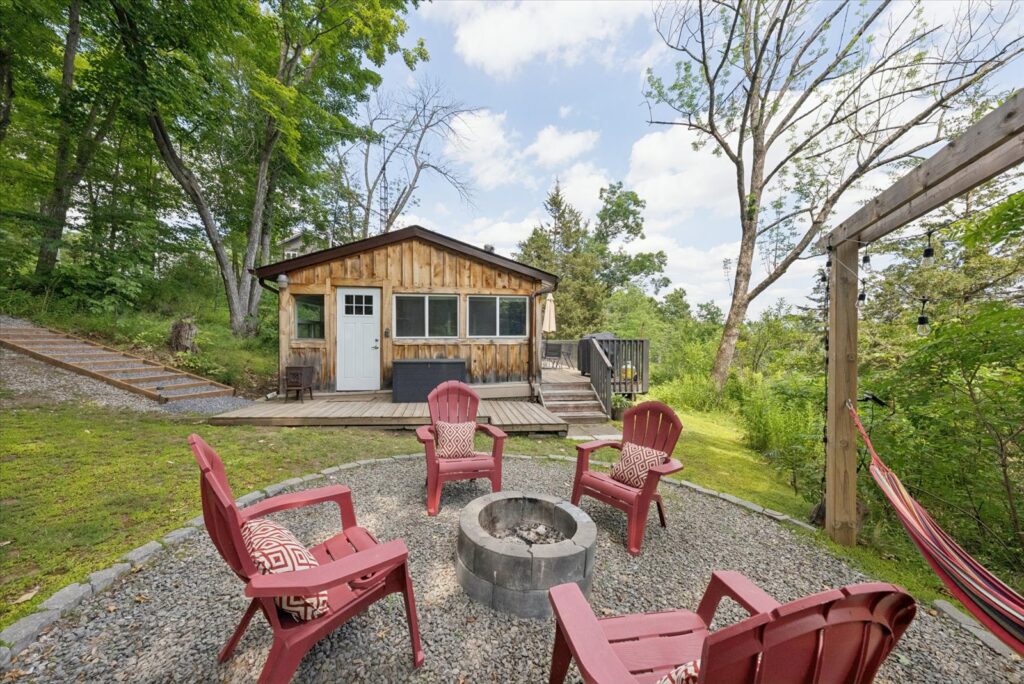
Buying a Cottage in Ontario? Here’s What You Need to Know Before You Take the Plunge
There’s something undeniably special about cottage life in Ontario. Whether it’s mornings spent with a coffee on the dock, afternoons on the lake, or evenings around the campfire, owning a cottage is a dream for many. That being said, buying a recreational property is quite different from purchasing a primary residence.
Before you dive into the waterfront market, here are Team Alldread’s top tips for making your dream cottage lifestyle a reality!
1. Know Your Cottage Lifestyle
Before you start your search, think about how you plan to use the property.
Ask yourself:
- Will this be a weekend getaway or a full-time residence?
- Do you want a quiet retreat or a lively lake with plenty of activities?
- Are boating, fishing, swimming, or hiking important to you?
- Will you eventually retire there?
Knowing your priorities will help narrow down the perfect location and property type.
2. Choose the Right Lake
Not all lakes offer the same experience. Some are ideal for water sports, while others are known for peaceful paddling or excellent fishing. We may be biased, but Crowe Lake, Marmora, is our favourite!
Consider:
- Water quality
- Lake size and depth
- Boat traffic
- Fishing opportunities
- Seasonal water levels
- Public boat launches and marinas
Spend some time exploring different lakes before making your decision—it is always good to see the lakes in person to get a true feel for what lake life looks like and feels like at different locations! Also take into consideration your lakeside neighbours- some lakes have more of a party scene, others are more family-oriented, and some lakes have many retirees living there full-time.
3. Understand Your Waterfront Ownership
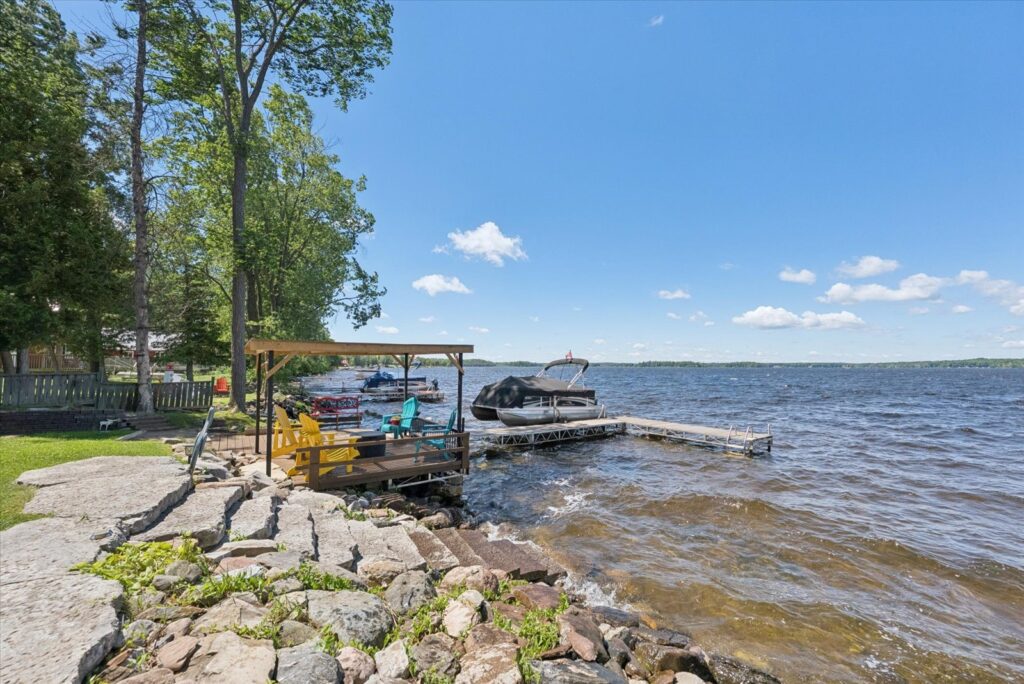
When buying a waterfront property, it is important to understand if there are any restrictions with your waterfront, if you have direct or deeded access and if the space will work for what you need.
Important questions include:
- Is the shoreline owned or leased?
- Are there restrictions on docks or boathouses?
- What are the setback requirements for future renovations?
- Is the waterfront shallow, deep, rocky, or sandy?
Understanding your shoreline rights now can help prevent surprises later and help you create your dream cottage property.
4. Check for Four-Season Access
If you plan to visit throughout the year, make sure the cottage offers reliable year-round access.
Look into:
- Whether the road is municipally maintained
- Winter snow removal responsibilities
- Bridge or private road maintenance agreements
- Accessibility during heavy weather
Outside of municipal amenities, if you wish to stay at your cottage in every season, make sure the structure is winterized! Not planning to visit during winter months? No need to worry about this step!
5. Inspect the Water and Septic Systems
Unlike many city homes, cottages often rely on wells and septic systems.
A thorough inspection should include:
- Water quality testing
- Well production and condition
- Septic age and maintenance history
- Signs of drainage or environmental concerns
Replacing these systems can be expensive, so it’s worth understanding their condition before purchasing your cottage.
6. Consider Internet and Cell Service
If you plan to work remotely or stay connected, don’t assume every cottage has reliable service.
Check:
- Internet availability and speeds
- Cell phone reception
- Available providers
- Future service upgrades planned for the area
Reliable connectivity has become an increasingly important feature for many cottage buyers with the rise of remote work. If working from the cottage is something you see yourself doing, make sure you will be able to sign in!
7. Budget Beyond the Purchase Price
Owning a cottage often comes with additional expenses beyond your mortgage- just like your house! The extra costs may look a little different
Be prepared for costs such as:
- Waterfront insurance
- Dock maintenance
- Septic pumping
- Well maintenance
- Private road fees
- Tree removal
- Winterization
- Seasonal opening and closing
Building these expenses into your budget will help you enjoy cottage ownership without unexpected financial stress.
8. Think About Rental Potential
If you won’t be using your cottage year-round, renting it out can help offset ownership costs. Renting out your cottage helps make cottage ownership attainable for more people and can truly make a difference in your costs!
Before planning a short-term rental, research:
- Municipal licensing requirements
- Zoning regulations
- Insurance implications
- Property management options
- Local demand throughout the seasons
Some Ontario municipalities have specific rules governing short-term rentals, so it’s important to research and understand them before purchasing a property.
Other things to consider when buying a property for short-term rentals include the number of bedrooms, space for entertaining and ammenties as well as ease of access. Picking a property that would be appealing for hosting guests guarantees your cottage’s summers are going to be booked and busy!
Ready to Find Your Perfect Ontario Cottage?
Buying a cottage is about more than purchasing property—it’s investing in a new lifestyle filled with family memories, quiet mornings, and countless weekends by the water. Taking the time to understand the unique aspects of cottage ownership will help you find a property that fits both your lifestyle and your long-term goals.
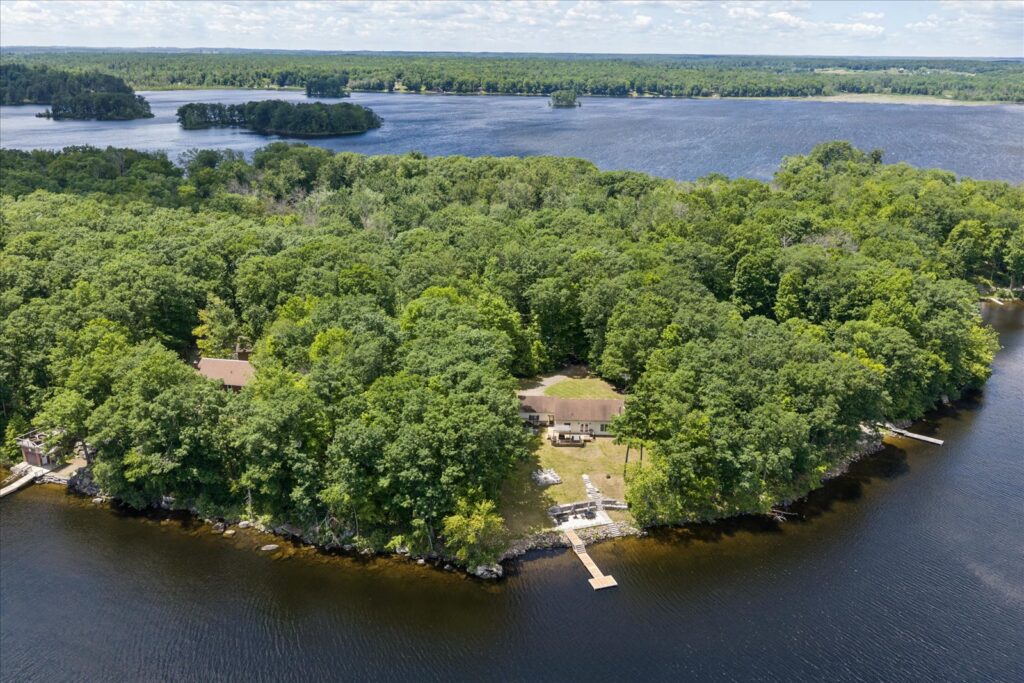
Whether you’re dreaming of a cozy cabin tucked into the trees or a spacious waterfront retreat for entertaining family and friends, careful planning is the first step toward making that dream a reality. Of course, we are always more than willing to help prospective cottage buyers find their dream cottage, especially in the Marmora area.
Happy cottage hunting!
Until next time,
Kim & Team Alldread